The Human Cost of Waiting Lists
Has our focus on Waiting Lists normalised their scale, and dehumanised the people behind them?
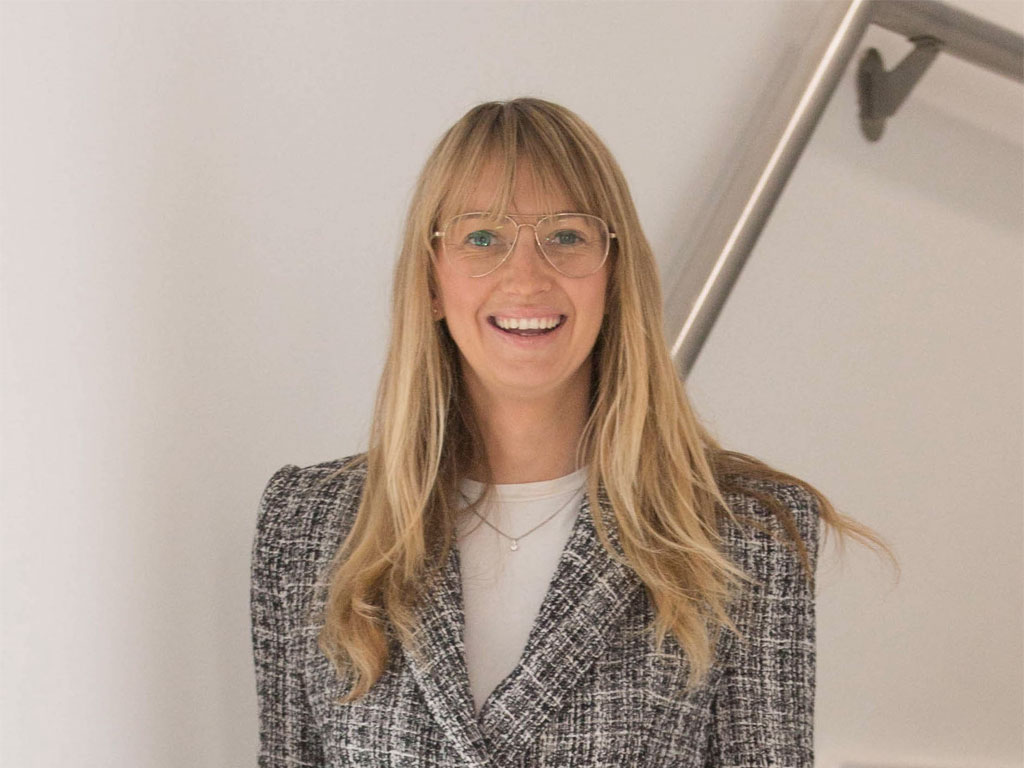
Greg Wood, CEO of Eleventh Hour Group, challenges the UK’s current waiting list narrative and urges us to return to the human impact behind the statistics in his latest op-ed.
In Healthcare, we talk a lot about numbers. Whether it’s waiting list sizes, days to treatment, breaches, targets, capacity or flow they all come back to the same theme. A numbers game.
These figures matter. They help us to understand scale, pressure, and performance. However, there is a subtle risk in how familiar we’ve become with them. When numbers dominate the conversation, it becomes easier than it should be to forget what they actually represent.
Because Waiting Lists are not an abstract concept. What they are, or what they symbolise are the people behind them.
They are somebody waking up every morning hoping today might be the day that they hear something. Somebody managing pain that never quite goes away. It’s residual. Lingering. Agonising often. Always constant. Somebody trying to stay calm while the anxiety sits heavily in their chest. A parent watching their child’s struggle. A partner carrying far more than they ever expected to. A person losing confidence with each passing week.
Across the Healthcare system, providers commissioners, clinicians, suppliers and leaders, are working under intense pressure. Demand continues to rise. Workforce shortages are real. Resources are finite. None of this is news, and none of it is simple.
Of course this is not about blame. Not about blaming the NHS or their hard-working teams. Not about governmental blame. And not any one organisation or role. We are simply reflecting on the perspective. Because when you step back from the dashboards, the data, the reporting, the numbers, the projections, waiting is no longer a neutral experience. It has a cost that doesn’t show up neatly in spreadsheets. It’s not data to be quantified.
Waiting can erode dignity.
Waiting can worsen conditions.
Waiting can turn manageable issues into crises.
Waiting can impact mental health just as much as physical health.
And over time, waiting can change how people feel about themselves. Less seen, less heard, less certain that help is coming.
To be perfectly clear, this isn’t happening because people don’t care. We know that people within the system care deeply. We care deeply.
This happens because the system is stretched, fragmented, and under extraordinary strain. And, when a system is stretched, humanity can unintentionally get lost in the gaps.
What concerns me the most is not just the length of waiting lists, but the normalisation of waiting itself. When long waiting times become expected, we risk adjusting our empathy accordingly. We risk thinking in terms of backlogs rather than lives paused and put on hold. We risk seeing resilience where there is actually exhaustion.
Healthcare is, at its core, a human service. It relies on Trust. Trust that when someone asks for help, the system will respond in good time. When that response is delayed, even for understandable reasons, trust begins to diminish. It’s not always dramatic at first. It’s quiet. Gradual.
And, rebuilding that trust is far harder than protecting it.
This is why collaboration matters so much right now. Not competition. Not silos. Not contractual box-ticking.
Real collaboration, across NHS trusts and providers, independent providers, Social Care, Community Services, voluntary organisations, and workforce partners, is one of the few ways we can meaningfully reduce the human cost of waiting.
That means using capacity wherever it exists. It means valuing flexibility rather than fearing it. It means recognising that care doesn’t always have to look the same to be safe, effective and compassionate.
What guides us is not just urgency, but impact.
A simple question: what does this delay mean for the person at the centre of it?
Because when you frame decisions that way, priorities shift. Quality becomes about outcomes, and no longer about not processes. Efficiency about preventing harm, not merely meeting targets.
If we continue to see people, not stats, then even within a stretched system we can make better choices. Kinder choices. And those waiting, the people, will feel the sentiment. This is something all of us, across the healthcare system, can commit to. Today.